INK REDUCTION · WORKED EXAMPLE · NOT A REAL CLIENT
One method.
Any pack.
This is a worked example, not a client project. The carton shown happens to be consumer electronics. Nothing about the method depends on that. Food, cosmetics, drinks and household goods all behave the same way on press. Five inks become one. The ground comes off the board, the photograph turns into line art, and the wordmark takes the space that frees up. Logo, letterforms and proportions stay exactly as they were. Figures below are estimated ranges, not measured client results.
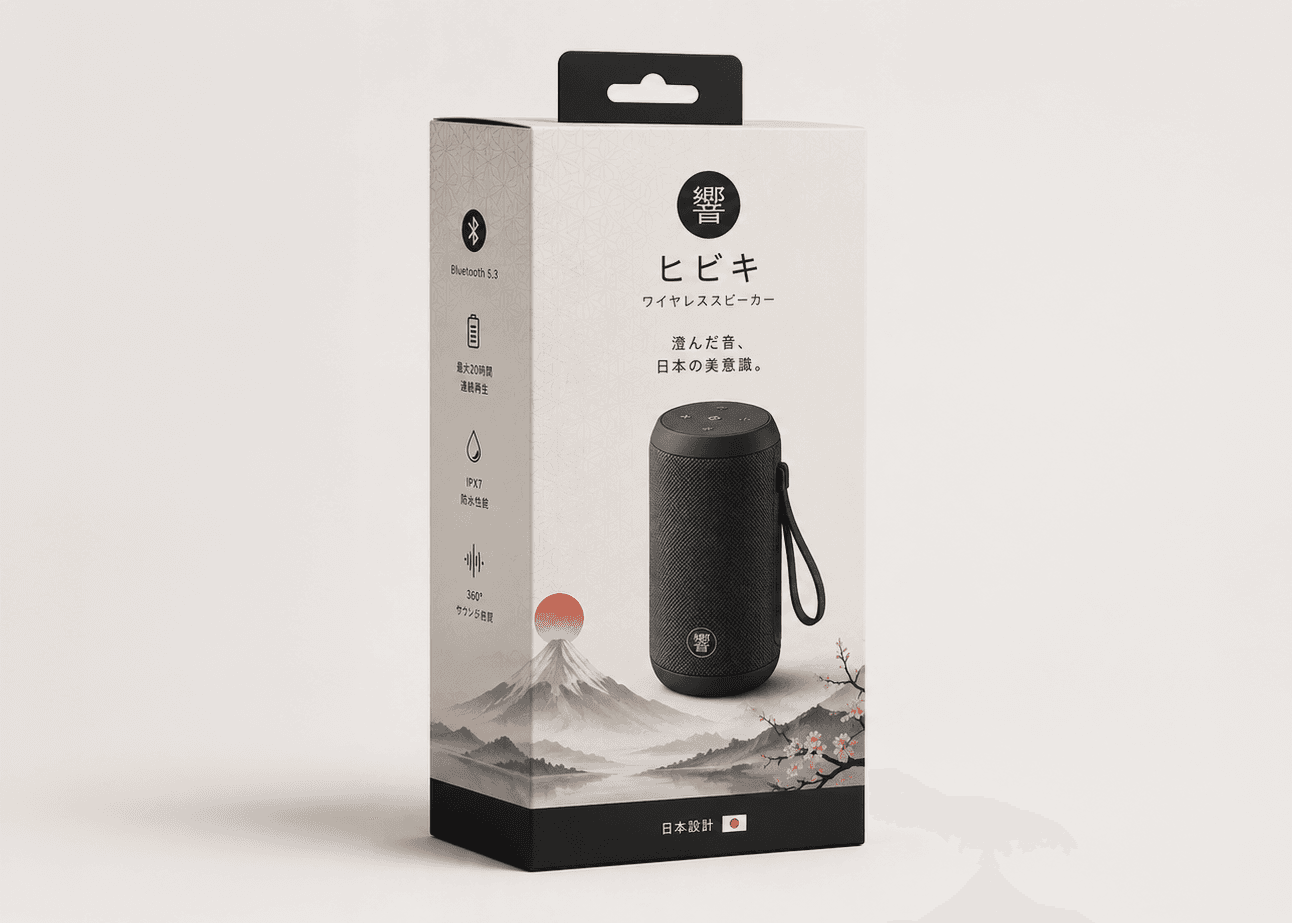
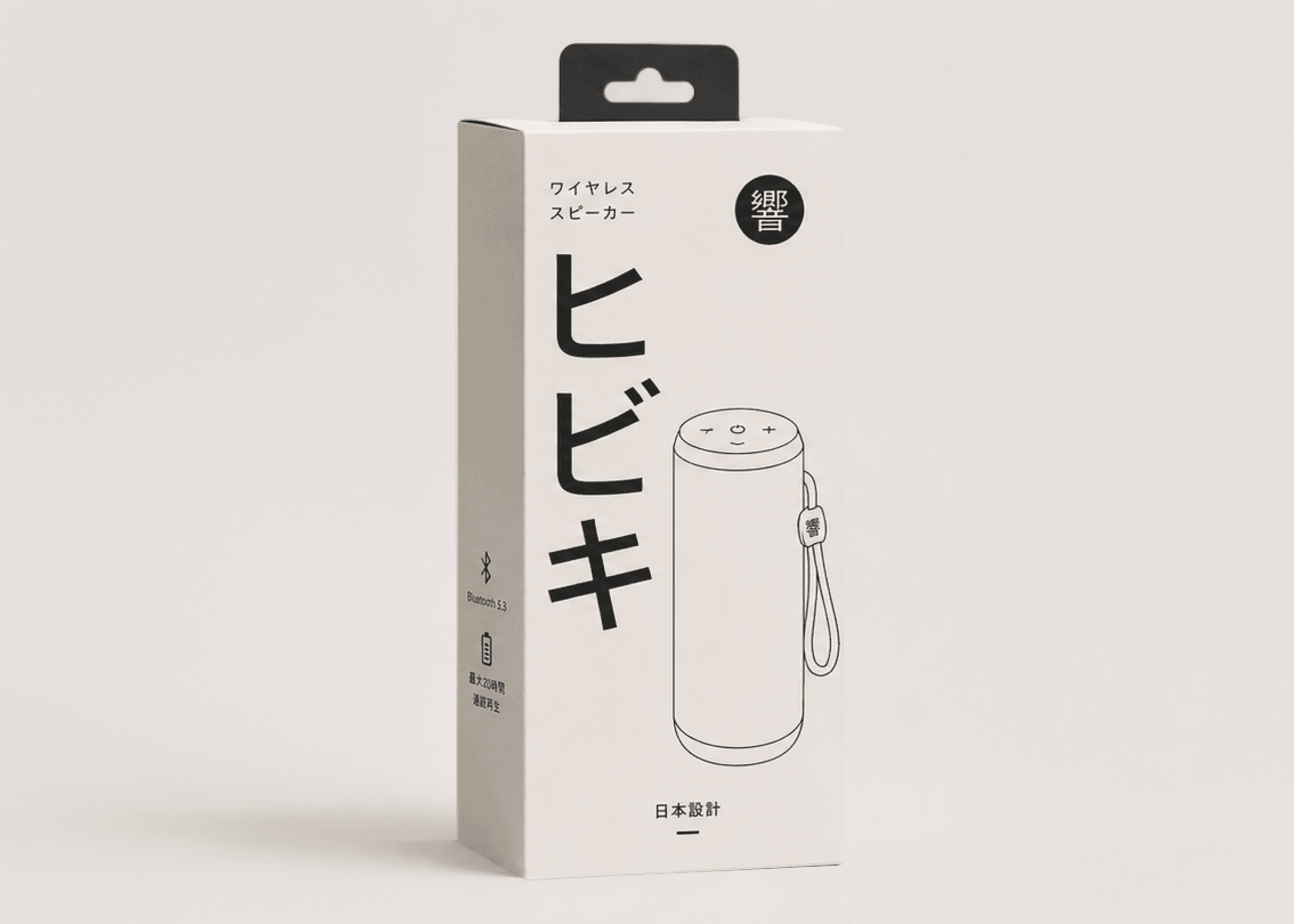
Cut ink. Keep brand.
Pressure comes from outside. An ink goes scarce. A cost jumps. A sustainability target lands on someone's desk. The instruction never changes: none of it may show on shelf.
Fewer plates, same shelf.
Whatever the category, the pack has to read at one meter, inside a fixed plate count, metallics included. The wordmark stays. The silhouette stays. Everything else is open.
60 to 75% less ink at level 3.
Dropping colours is not what saves ink. Taking the ground off the board is. That single move, together with line art in place of photography, carries most of the saving. Estimated range, not a measured result.
You thought you were giving up color.
You got back a stronger brand.
BEFORE / AFTER · ESTIMATED RANGES
One pack,
three levels.
estimated ink coverage across the pack
55–75%
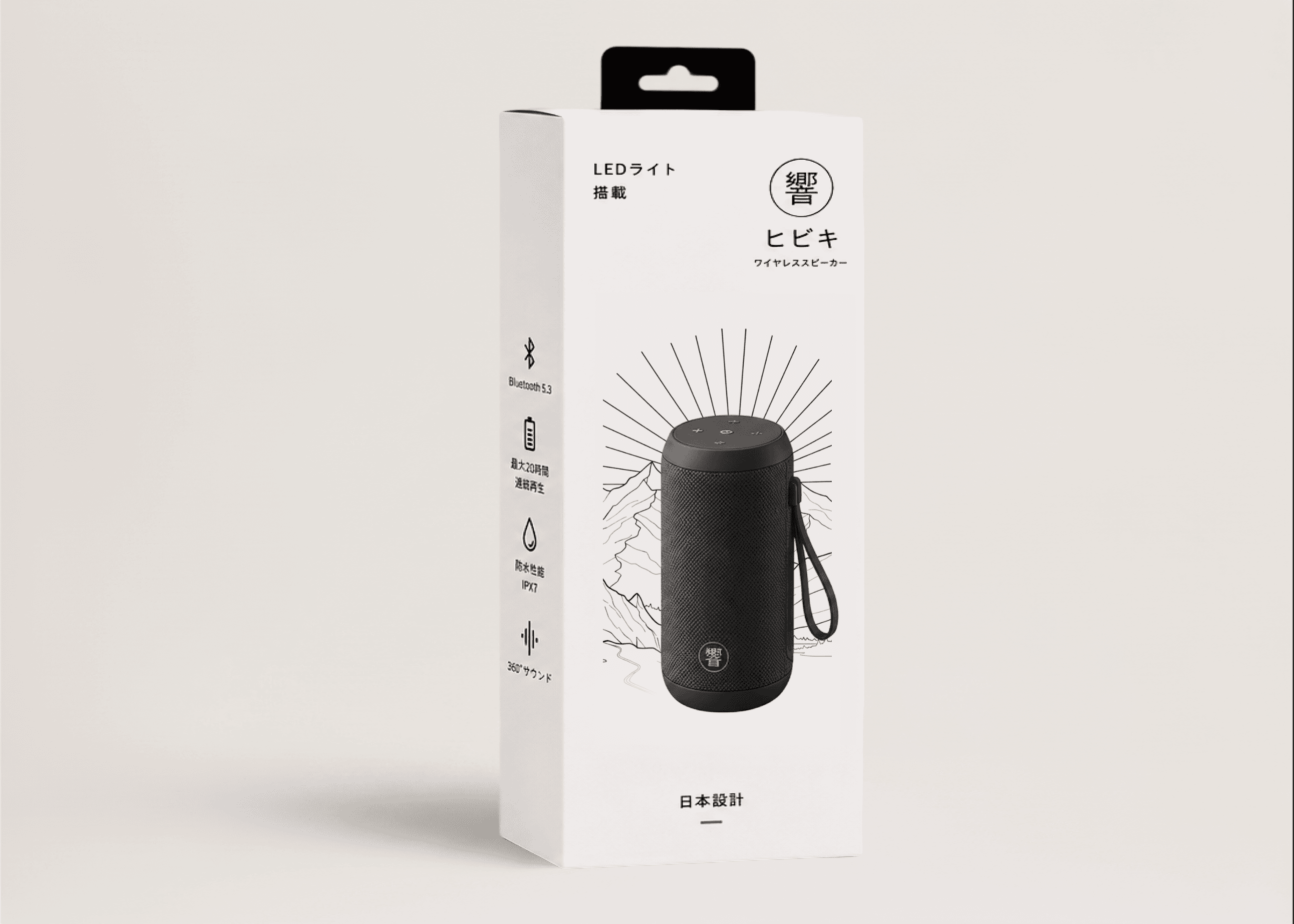
estimated ink coverage across the pack
45–65%
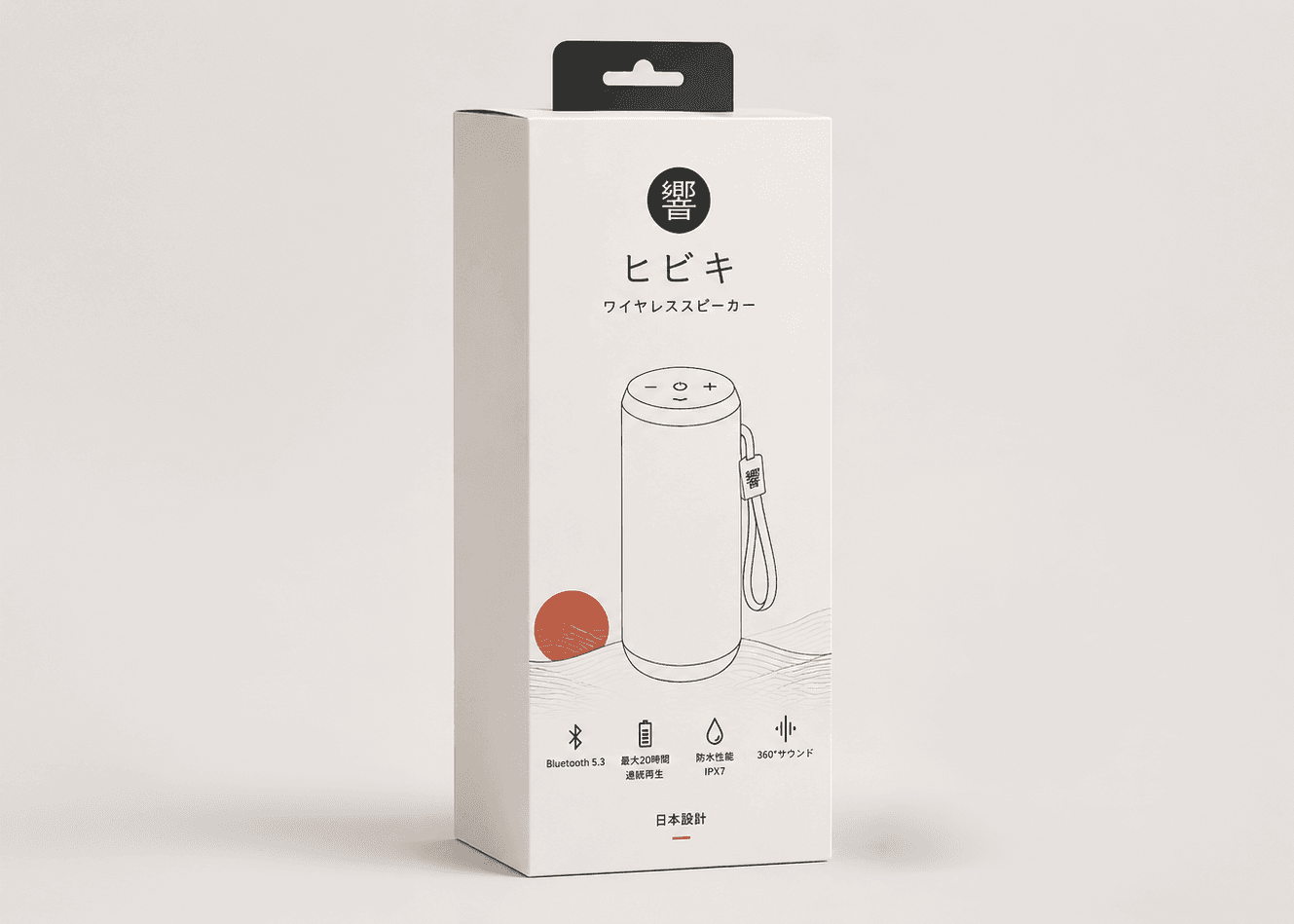
estimated ink coverage across the pack
22–35%
estimated ink coverage across the pack
14–25%
These are ranges. They hold across categories rather than describing this particular carton. Measured on a reference pack with no flood coverage, our chain returns 54% less at level 2 and 59% less at level 3. A pack carrying a printed ground should go further. Yours gets measured for real the moment it goes through the tool.
NEXT MOVE
Want a study
like this?
Send us a pack and the constraint you are working under. We come back with the reduction, measured.